

Gardening Basics
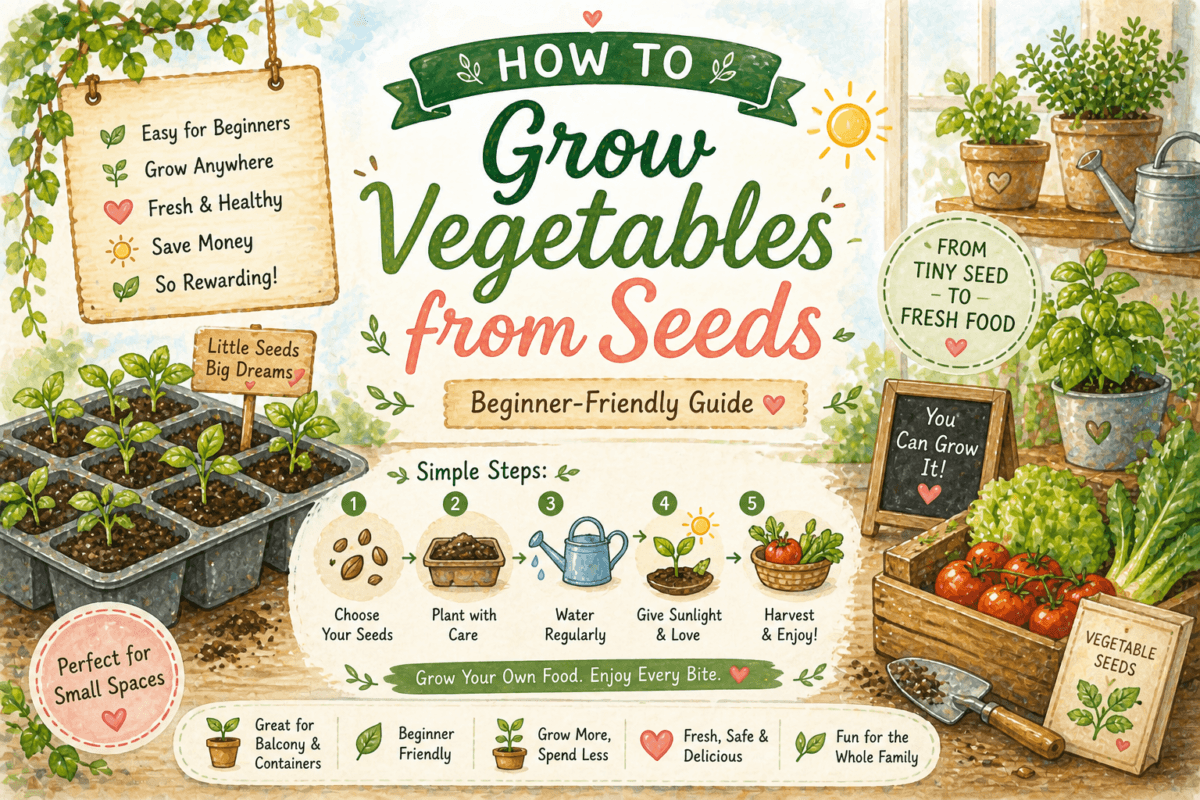
How to Grow Vegetables from Seeds (Beginner-Friendly Guide)
May
Why Growing Vegetables from Seeds Is Worth It
Growing vegetables from seeds is one of the most rewarding and cost-effective ways to start gardening. Instead of buying mature plants from stores, starting from seeds gives you full control over the growing process, from germination to harvest. It also allows you to grow a wider variety of vegetables that are not always available as seedlings.
For beginners, this might seem intimidating at first. However, with the right approach and a few simple techniques, anyone can successfully grow vegetables from seeds—even in small spaces like balconies or indoors. This guide will walk you through everything you need to know to get started.
🌿 Benefits of Growing Vegetables from Seeds
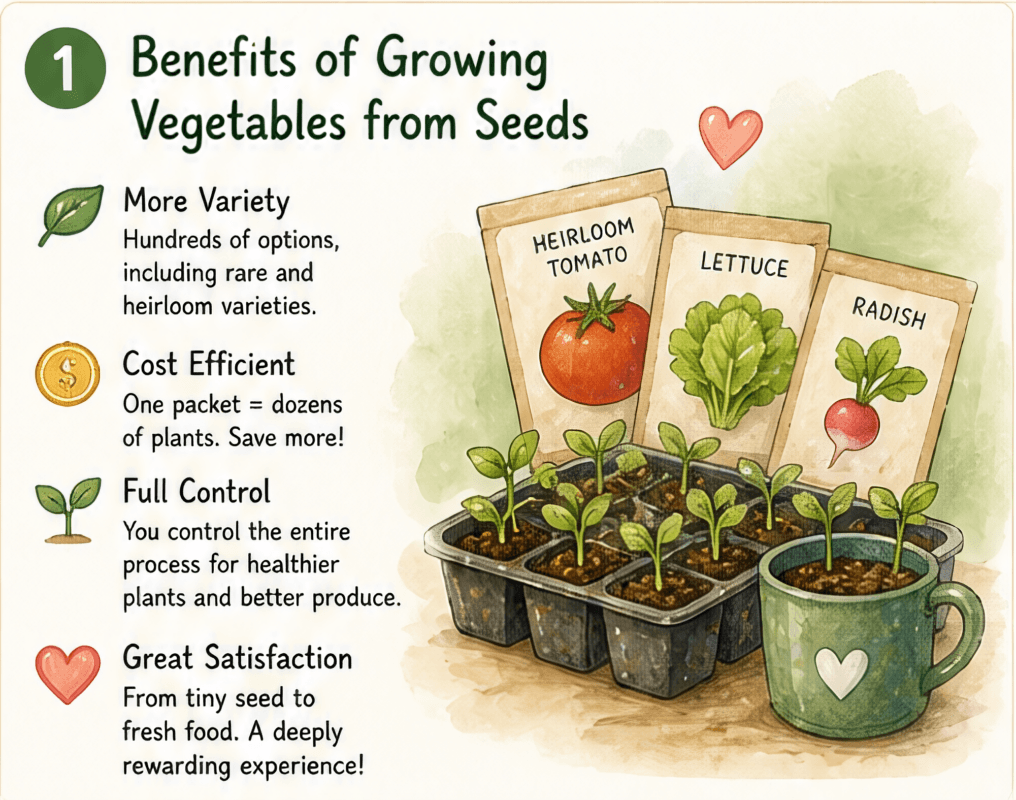
Starting vegetables from seeds offers several advantages beyond just saving money. One of the biggest benefits is variety. Seed catalogs and online stores offer hundreds of options, including unique and heirloom varieties that are rarely found in nurseries.
Another key advantage is cost efficiency. A single packet of seeds can produce dozens of plants, making it far more economical than purchasing individual seedlings. Additionally, growing from seeds allows you to control the entire process, ensuring healthier plants and better quality produce.
Finally, there is the satisfaction factor. Watching a plant grow from a tiny seed into something you can harvest and eat creates a deeper connection to your food and your environment.
🌱 Best Vegetables to Grow from Seeds for Beginners
Not all vegetables are equally easy to grow from seeds. Beginners should start with fast-growing, low-maintenance options that have high germination rates.
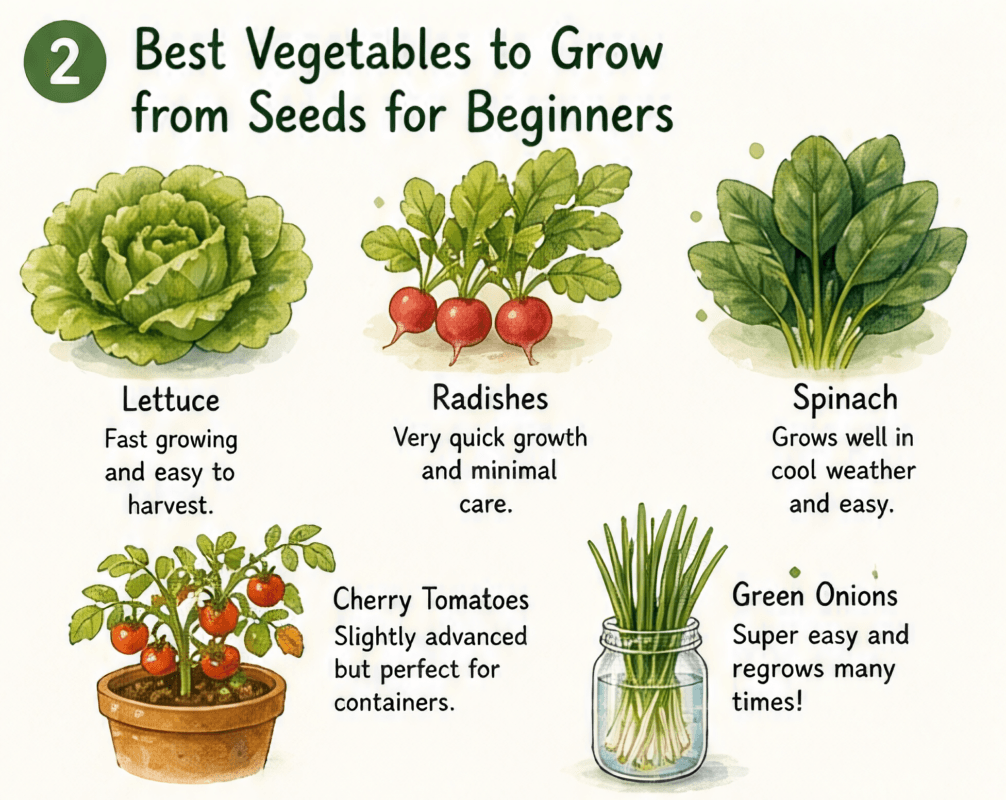
Lettuce is one of the easiest vegetables to grow. It germinates quickly and can be harvested in a short time, making it perfect for beginners. Radishes are another excellent choice due to their rapid growth and minimal care requirements. Spinach grows well in cooler conditions and is also beginner-friendly.
Cherry tomatoes are slightly more advanced but still manageable, especially when grown in containers. Green onions are incredibly easy and can regrow multiple times after harvesting. Starting with these vegetables will help build confidence and increase your chances of success.
🪴 What You Need to Get Started
Before planting your seeds, it is important to prepare the right materials. A proper setup increases germination success and ensures healthy growth.
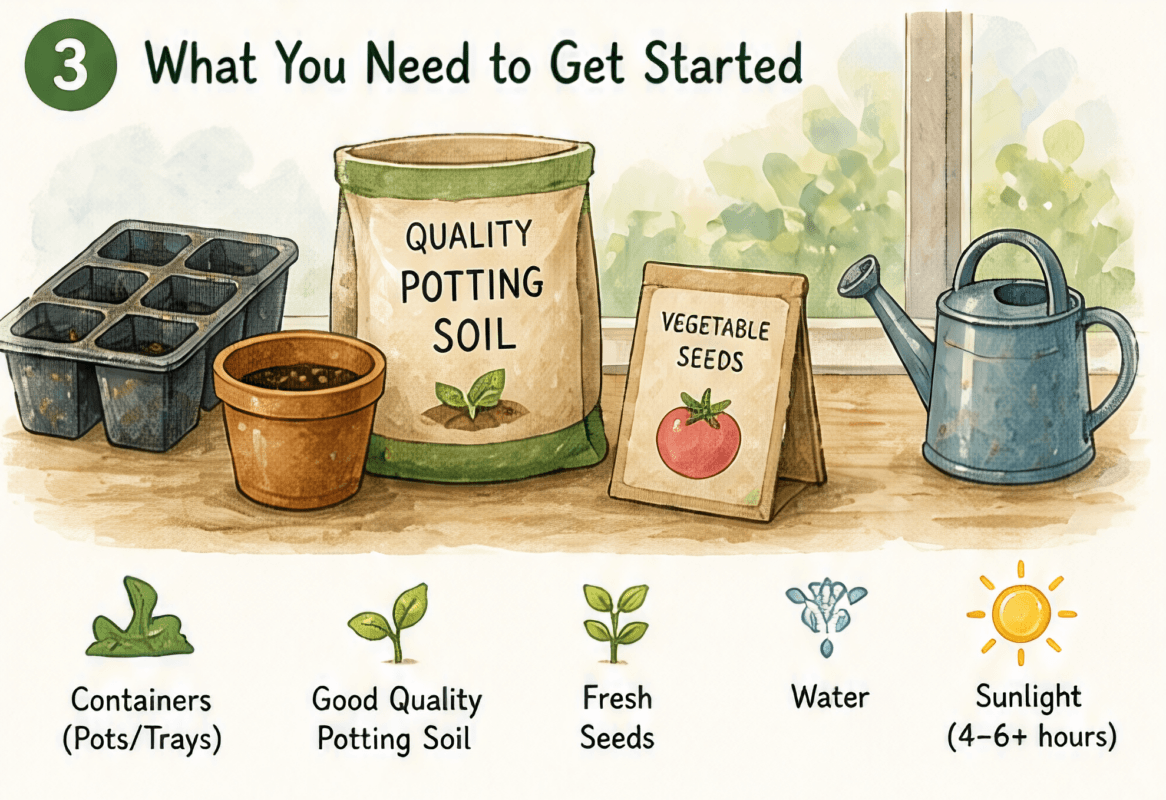
You will need containers such as pots, seed trays, or recycled containers with drainage holes. Good-quality potting soil is essential, as it provides the right balance of nutrients and drainage. Avoid using heavy garden soil, as it can compact easily and hinder root development.
Seeds should be fresh and sourced from reliable suppliers to ensure high germination rates. Water and light are also critical. Most vegetable seedlings require consistent moisture and several hours of sunlight each day.
Having these basics in place will set you up for a successful start.
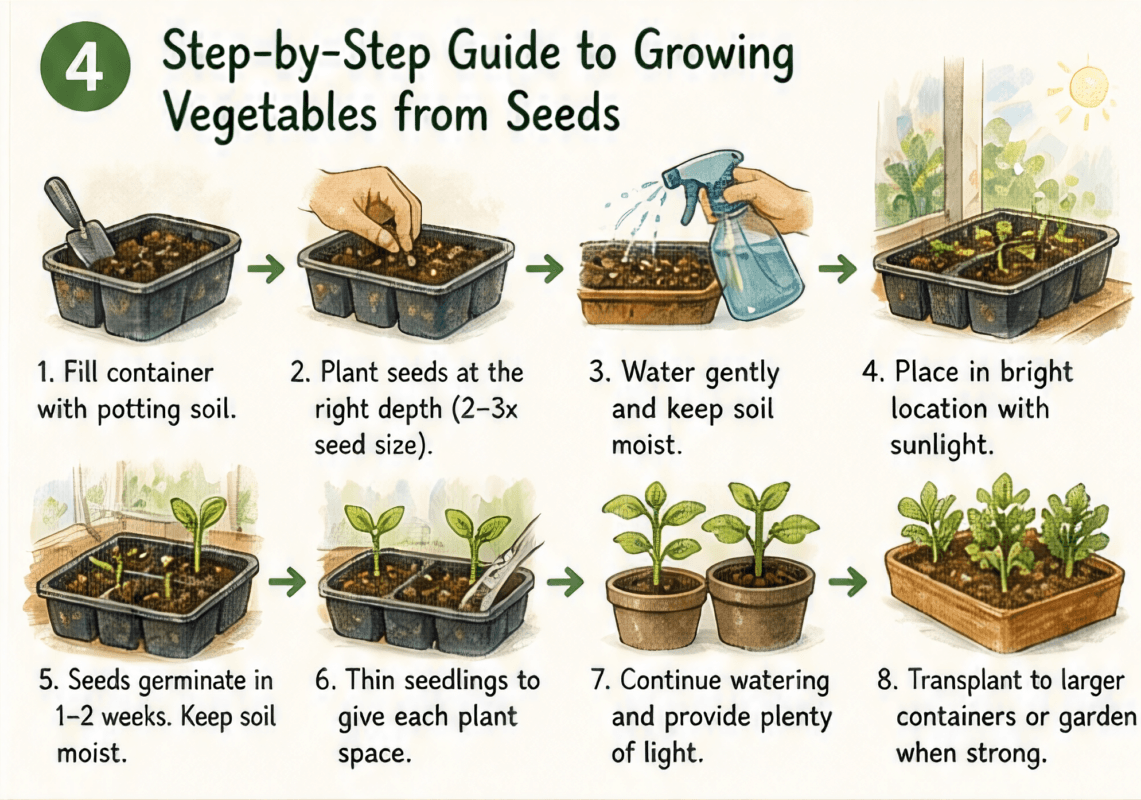
🌱 Step-by-Step Guide to Growing Vegetables from Seeds
Growing vegetables from seeds is a straightforward process when broken down into simple steps. First, fill your containers with potting soil, leaving a small gap at the top. Lightly press the soil to remove large air pockets, but avoid compacting it too tightly.
Next, plant your seeds according to their size. Small seeds should be placed on the surface or covered lightly, while larger seeds can be planted slightly deeper. A general rule is to plant seeds at a depth about two to three times their size.
After planting, water the soil gently to keep it moist. Using a spray bottle helps prevent seeds from being displaced. Place your containers in a location that receives adequate sunlight, such as a windowsill or balcony.
Over the next several days, monitor moisture levels and ensure the soil does not dry out. Most vegetable seeds germinate within one to two weeks. Once seedlings appear, thin them if necessary to give each plant enough space to grow.
As the plants develop, continue watering regularly and provide sufficient light. When they become stronger, they can be transplanted into larger containers or garden beds.
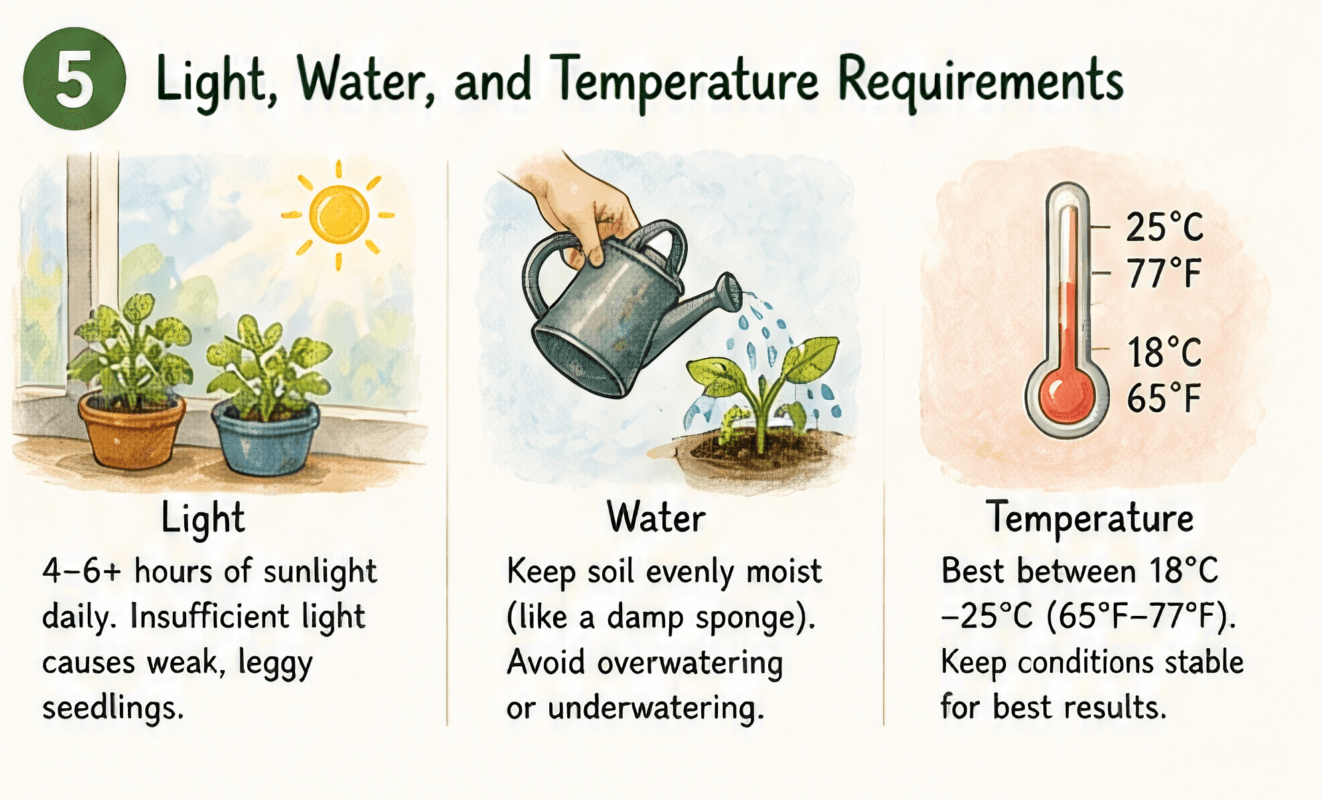
☀️ Light, Water, and Temperature Requirements
Successful seed growth depends heavily on environmental conditions. Light is one of the most important factors. Most vegetables require at least 4 to 6 hours of sunlight daily. Without enough light, seedlings can become weak and leggy.
Watering should be consistent but not excessive. Overwatering can lead to root rot, while underwatering can stop growth entirely. The soil should remain evenly moist, similar to the texture of a damp sponge.
Temperature also plays a role in germination. Most vegetable seeds grow best in warm conditions, typically between 18°C and 25°C (65°F to 77°F). Maintaining a stable environment will significantly improve your results.
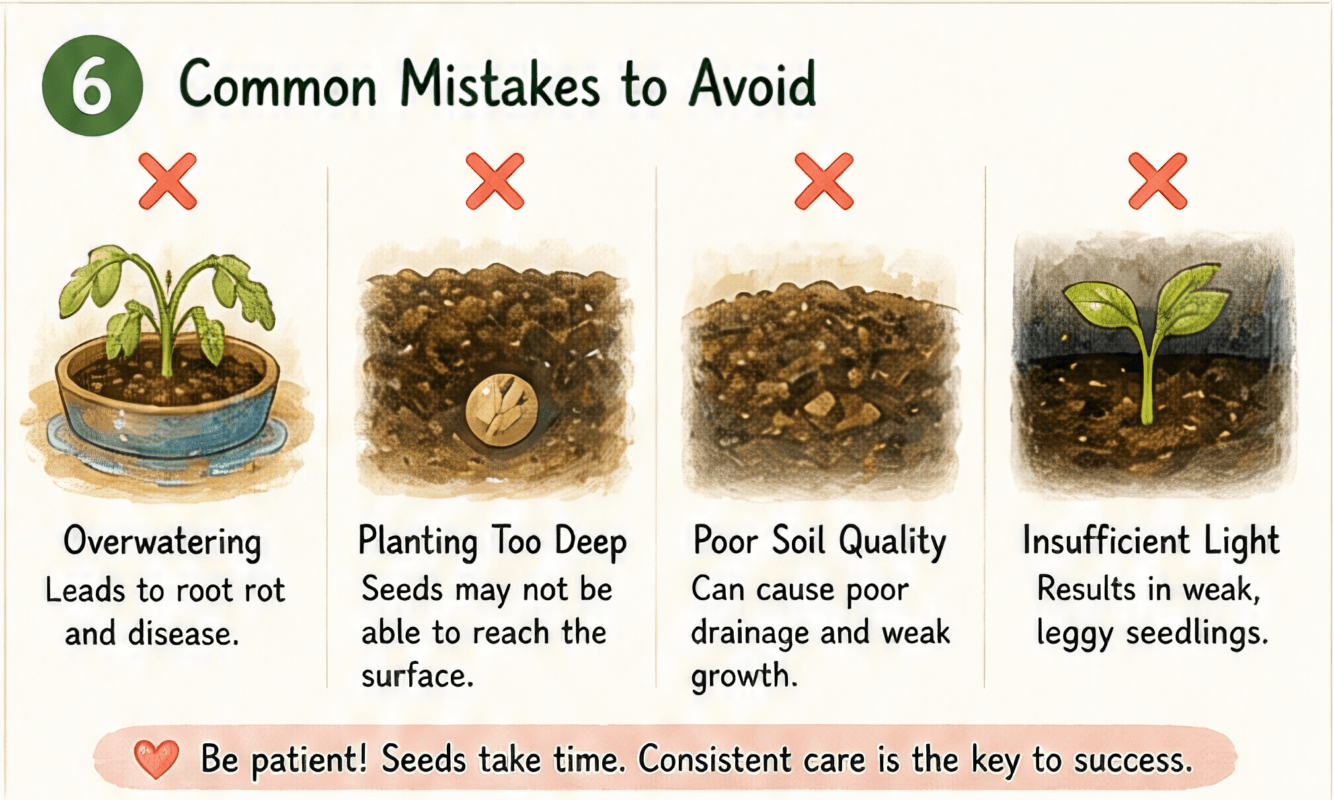
⚠️ Common Mistakes to Avoid
Many beginners encounter similar challenges when growing vegetables from seeds. One of the most common mistakes is overwatering, which can suffocate roots and cause disease. Another issue is planting seeds too deeply, preventing them from reaching the surface.
Using poor-quality soil can also limit growth, as it may not provide proper drainage or nutrients. Additionally, insufficient light is a frequent problem, especially when growing indoors. Ensuring your plants receive enough sunlight will prevent weak growth.
Finally, impatience can lead to disappointment. Seeds take time to germinate, and consistent care is essential for success.
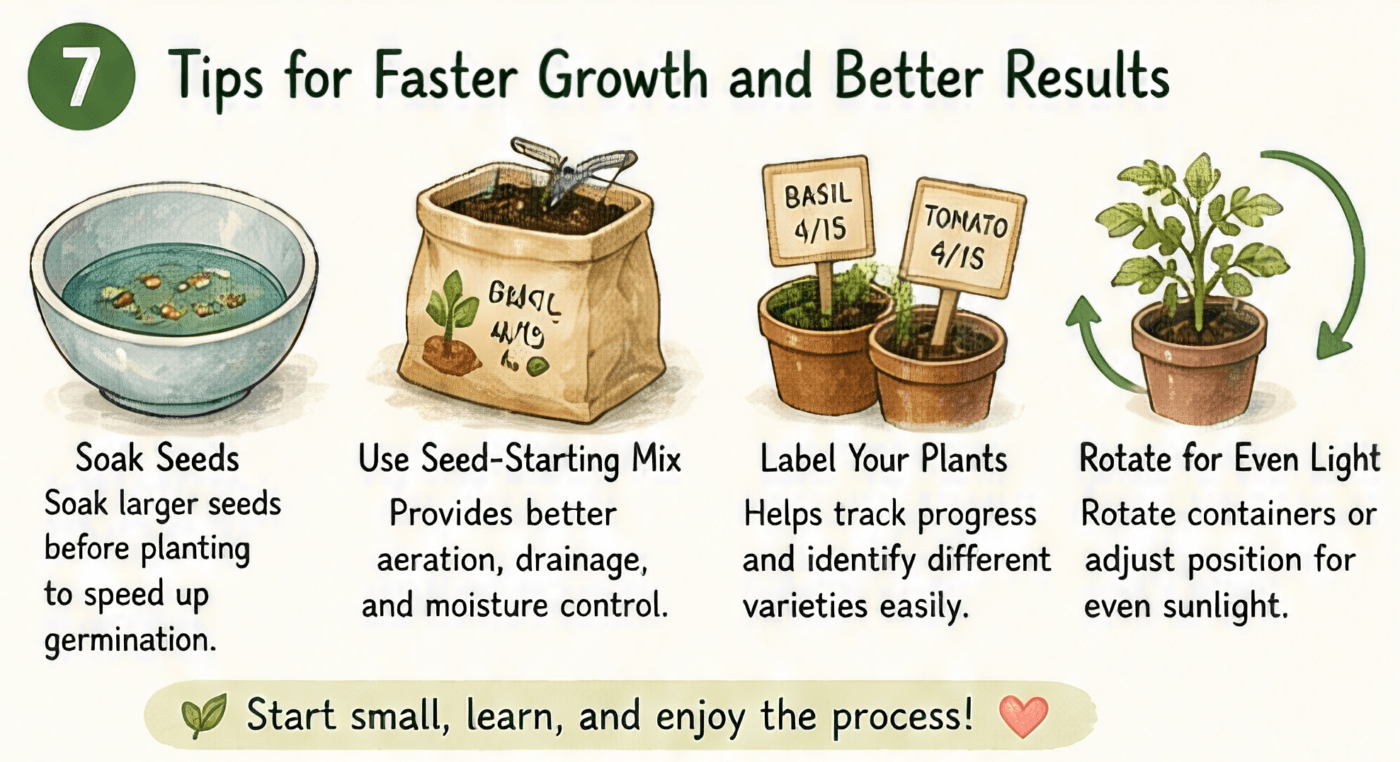
🌿 Tips for Faster Growth and Better Results
To improve your success rate, consider soaking larger seeds before planting to speed up germination. Using a seed-starting mix instead of regular soil can also enhance growth due to better aeration and moisture control.
Labeling your plants helps you track progress and avoid confusion, especially when growing multiple varieties. Rotating containers or adjusting their position ensures even light exposure.
Starting small is often the best strategy. Focus on a few easy vegetables first, then expand as you gain experience.
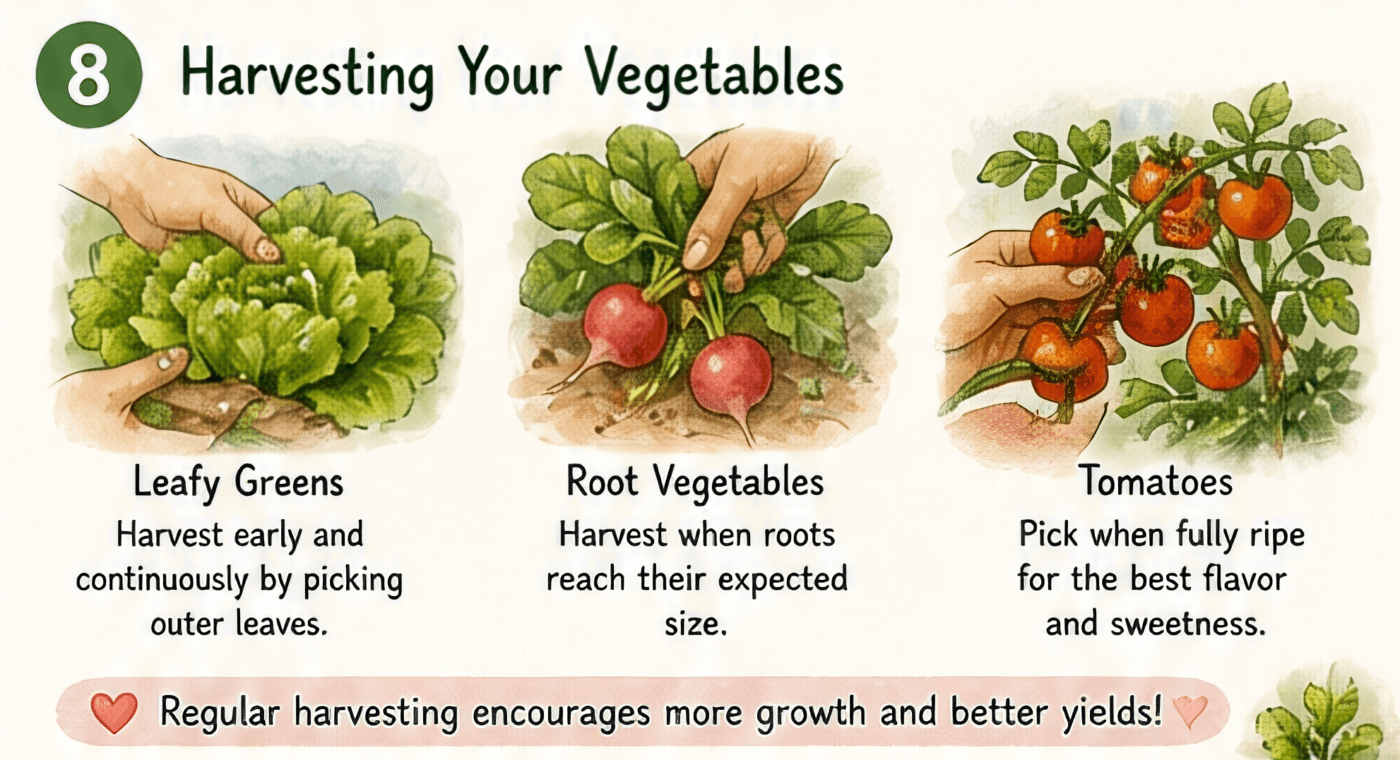
🥬 Harvesting Your Vegetables
Harvesting is one of the most exciting parts of growing vegetables. Leafy greens like lettuce can be harvested early and continuously by picking outer leaves. This encourages further growth and extends the harvest period.
Root vegetables such as radishes should be harvested once they reach their expected size. Tomatoes should be picked when fully ripe for the best flavor.
Regular harvesting not only provides fresh produce but also encourages plants to continue producing.
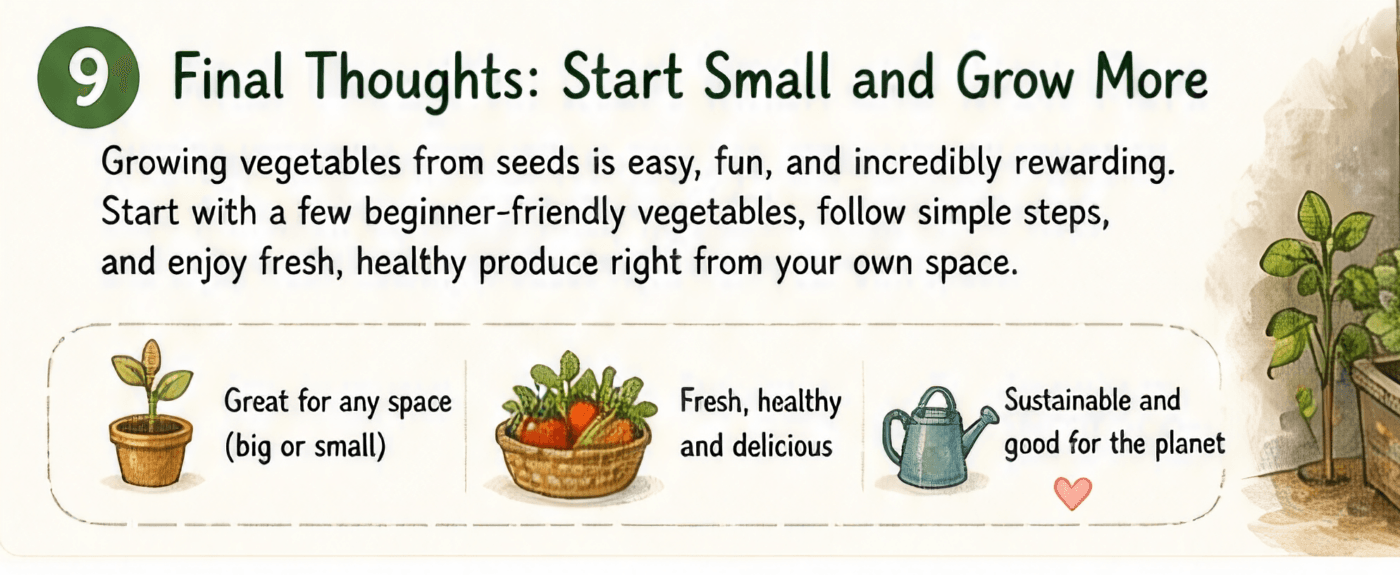
🌱 Final Thoughts: Start Small and Grow More
Growing vegetables from seeds may seem challenging at first, but it becomes much easier with practice. By starting with beginner-friendly vegetables and following simple steps, you can quickly build confidence and enjoy fresh, homegrown produce.
Whether you have a large garden or just a small balcony, growing your own vegetables is both achievable and rewarding. With the right approach, even the smallest space can become a productive garden.
Best Vegetable Seeds For Beginners


 1
1


 1
1


 1
1


 1
1
 1
1

 1
1




 1
1


