Grow Herbs Without Soil (Beginner Hydroponic Gardening Guide)
Why More People Are Growing Herbs Without Soil

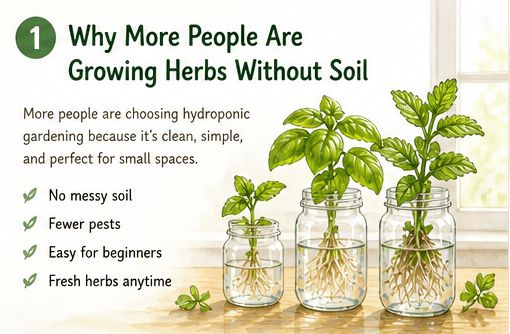
Hydroponic gardening—growing plants without soil—is quickly becoming one of the most popular ways to grow fresh herbs at home. As urban living spaces become smaller and people look for cleaner, more efficient ways to grow food, hydroponics offers a simple, modern solution. Instead of dealing with messy soil, pests, and heavy pots, you can grow herbs using just water, light, and a few basic materials.

For beginners, this method is especially appealing because it removes many of the common challenges associated with traditional gardening. There is no need to worry about soil quality, weeds, or overcomplicated setups. With the right approach, you can grow healthy, flavorful herbs right in your kitchen, even if you have never gardened before.
🌿 What Is Hydroponic Gardening?

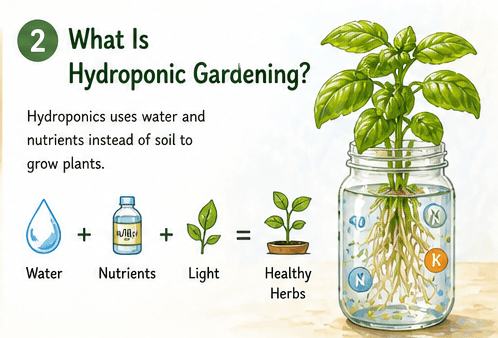
Hydroponic gardening is a method of growing plants using water enriched with nutrients instead of soil. In a traditional setup, plant roots must spread through soil to find water and nutrients. In a hydroponic system, those nutrients are delivered directly to the roots, allowing plants to grow more efficiently.

This direct access to nutrients often results in faster growth, healthier plants, and higher yields. Because the environment is more controlled, hydroponic gardening also reduces the risk of soil-borne diseases and pests. For beginners, this means fewer things can go wrong, making it an ideal entry point into gardening.
🌱 Benefits of Growing Herbs Without Soil

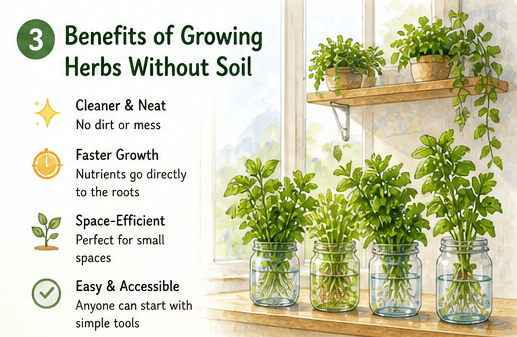
One of the main reasons hydroponics has become so popular is the range of benefits it offers, especially for home gardeners. First, it is significantly cleaner than traditional gardening. Without soil, there is no dirt to spill, making it perfect for indoor spaces like kitchens and apartments.

Another advantage is speed. Because plants receive nutrients directly through water, they often grow faster than those in soil. This means you can harvest your herbs sooner and more frequently. Additionally, hydroponic systems are highly space-efficient. A few jars or a small setup on a windowsill is enough to produce a steady supply of fresh herbs.

Hydroponics is also highly accessible. You do not need a backyard, large containers, or expensive tools. With just a few simple items, anyone can start growing herbs successfully.
🌿 Best Herbs to Grow Hydroponically

Not all plants are equally suited for hydroponic growing, but many herbs thrive in water-based systems. If you are just starting, it is best to choose herbs that are known for their resilience and fast growth.

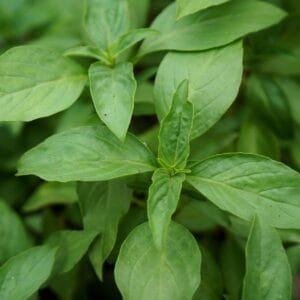
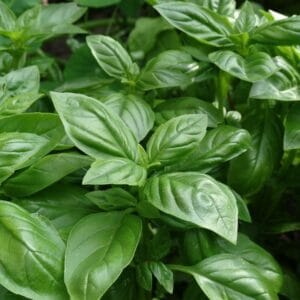
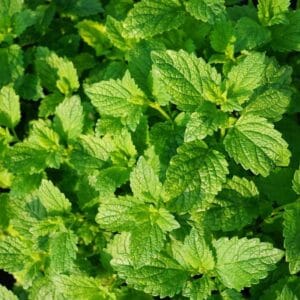
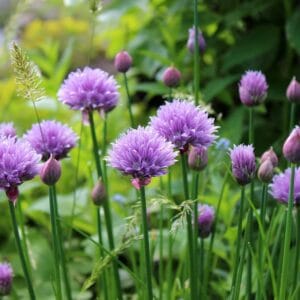
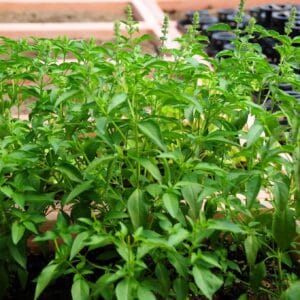
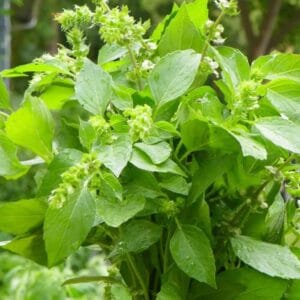
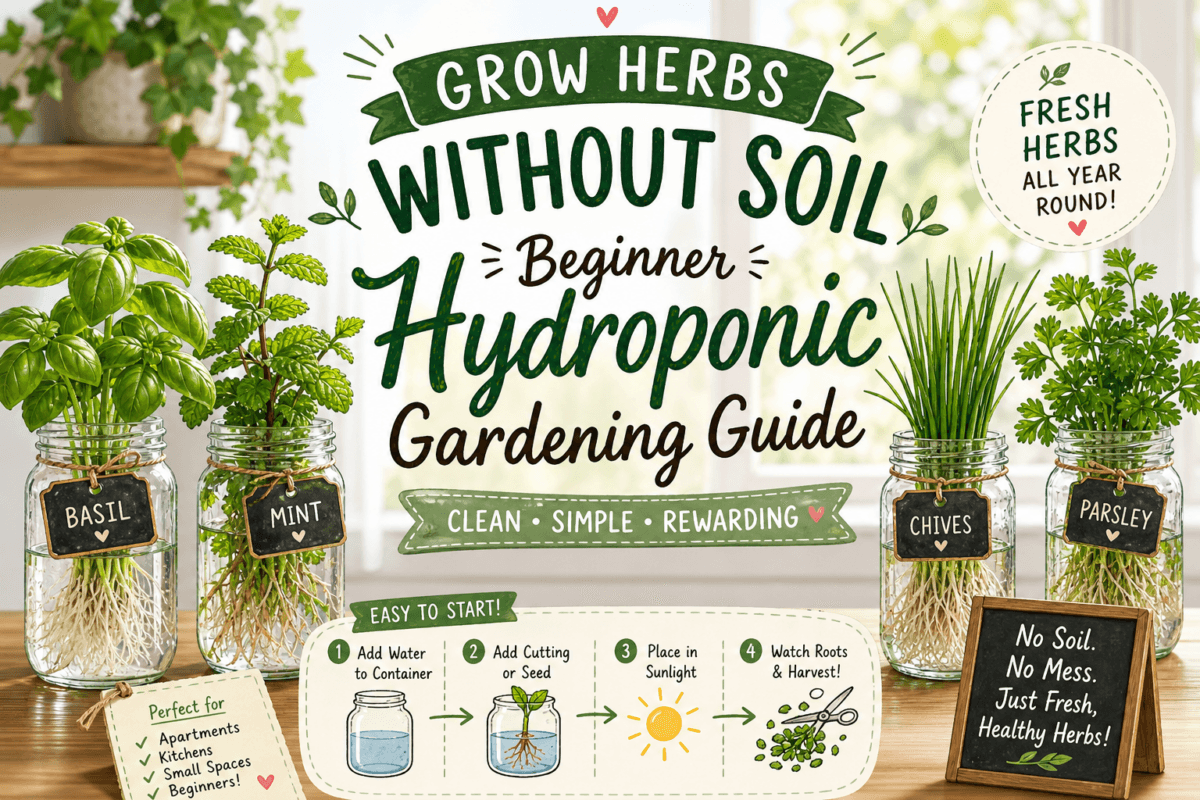
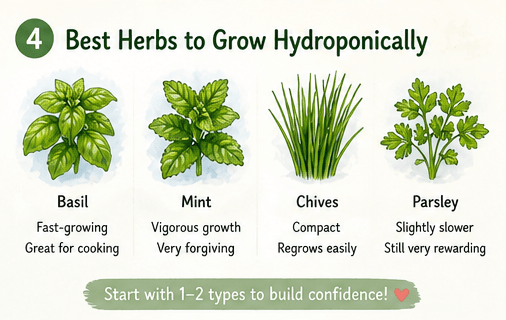
Basil is one of the most popular choices because it grows quickly and adapts well to hydroponic conditions. It also provides continuous harvests, making it highly rewarding. Mint is another excellent option due to its vigorous growth and forgiving nature, even for beginners. Chives are compact and regrow easily after cutting, making them ideal for small spaces.

Parsley is slightly slower to start but still performs well in hydroponic systems once established. Starting with one or two of these herbs allows beginners to gain confidence before expanding their setup.
🪴 What You Need to Get Started

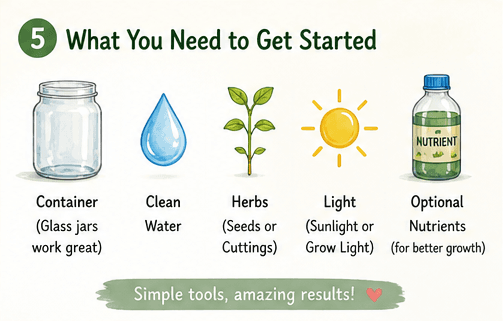
One of the biggest advantages of hydroponic gardening is how simple the setup can be. For a basic system, you only need a container, water, herbs (either seeds or cuttings), and a light source. Glass jars or small containers work well because they allow you to monitor root growth easily.

Clean water is essential, and while herbs can grow in plain water for a short time, adding nutrients will significantly improve long-term growth. Sunlight is also crucial. A bright windowsill that receives several hours of light each day is usually sufficient, though grow lights can be used if natural light is limited.

This minimal setup makes hydroponics one of the easiest gardening methods to start with, especially for beginners.
🌱 Step-by-Step Guide to Growing Herbs Without Soil

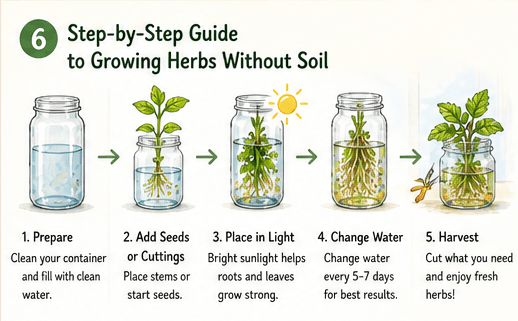
Getting started with hydroponic herbs is straightforward when you follow a simple process. First, prepare your container by cleaning it thoroughly to prevent bacteria growth. Fill it with clean water, leaving enough space at the top to allow air circulation.

Next, decide whether to use seeds or cuttings. For beginners, cuttings are often easier because they root faster. Simply take a healthy stem from an existing plant and place it in water, ensuring that only the stem is submerged while the leaves remain above water.

If you prefer to grow from seeds, you will need a small growing medium such as a sponge or starter plug to support the seed. Keep it moist until germination occurs, then transfer it into your container.

Place your setup in a bright location with adequate sunlight. Over the next few days, roots will begin to develop. It is important to change the water regularly, typically once a week, to keep it fresh and oxygenated. As the plant grows, you can begin harvesting small amounts, which will encourage further growth.
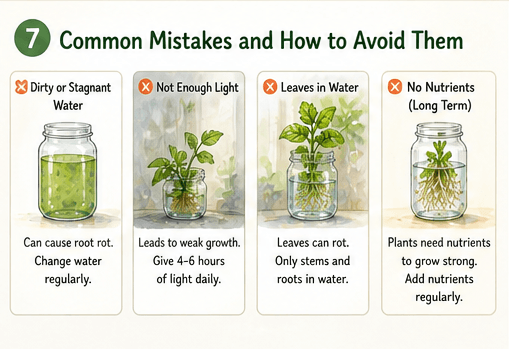
⚠️ Common Mistakes and How to Avoid Them

While hydroponic gardening is simple, there are still a few common mistakes that can affect your results. One of the most frequent issues is neglecting water quality. Stagnant or dirty water can lead to root rot, so regular changes are essential.

Another common problem is insufficient light. Without enough sunlight, plants become weak and grow slowly. Ensuring your herbs receive adequate light will make a noticeable difference in their health.

It is also important to avoid submerging leaves in water, as this can cause them to rot. Only the roots or stems should be in contact with water. Finally, while plants can survive in plain water initially, adding nutrients over time is necessary for continued growth and productivity.
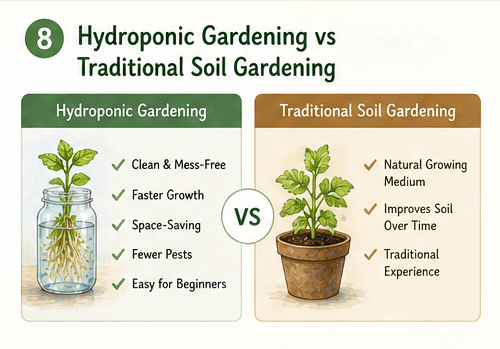
🌿 Hydroponic Gardening vs Traditional Soil Gardening

When comparing hydroponic gardening to traditional soil methods, both have their advantages. However, for beginners and those with limited space, hydroponics often provides a more convenient solution. It eliminates many of the variables that make soil gardening difficult, such as inconsistent moisture levels and soil quality.

Hydroponics is particularly well-suited for indoor environments, where cleanliness and space efficiency are important. While soil gardening may offer a more natural experience, hydroponics offers simplicity and reliability, making it an excellent starting point.
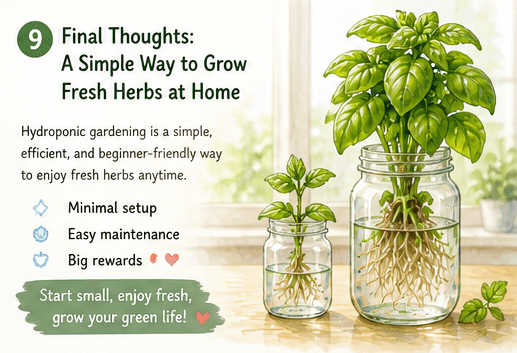
🌱 Final Thoughts: A Simple Way to Grow Fresh Herbs at Home

Growing herbs without soil is not just a trend—it is a practical, efficient, and beginner-friendly way to enjoy fresh ingredients at home. With minimal setup and effort, you can create a small but productive herb garden that fits perfectly into your daily life.

Whether you are interested in cooking with fresh herbs, improving your living space, or simply trying something new, hydroponic gardening offers an accessible and rewarding experience. Starting small and keeping the process simple will help you build confidence and achieve consistent results.

Our Recommendation
-29%
+
This product has multiple variants. The options may be chosen on the product page
Original price was: $6.99.Current price is: $4.99.
+
This product has multiple variants. The options may be chosen on the product page
-29%
+
This product has multiple variants. The options may be chosen on the product page
Original price was: $6.99.Current price is: $4.99.
+
This product has multiple variants. The options may be chosen on the product page
+
This product has multiple variants. The options may be chosen on the product page
-29%
+
This product has multiple variants. The options may be chosen on the product page
Original price was: $6.99.Current price is: $4.99.
-30%
+
This product has multiple variants. The options may be chosen on the product page
Original price was: $7.13.Current price is: $4.99.
+
This product has multiple variants. The options may be chosen on the product page
+
This product has multiple variants. The options may be chosen on the product page

Why More People Are Growing Herbs Without Soil

Hydroponic gardening—growing plants without soil—is quickly becoming one of the most popular ways to grow fresh herbs at home. As urban living spaces become smaller and people look for cleaner, more efficient ways to grow food, hydroponics offers a simple, modern solution. Instead of dealing with messy soil, pests, and heavy pots, you can grow herbs using just water, light, and a few basic materials.

For beginners, this method is especially appealing because it removes many of the common challenges associated with traditional gardening. There is no need to worry about soil quality, weeds, or overcomplicated setups. With the right approach, you can grow healthy, flavorful herbs right in your kitchen, even if you have never gardened before.

🌿 What Is Hydroponic Gardening?

Hydroponic gardening is a method of growing plants using water enriched with nutrients instead of soil. In a traditional setup, plant roots must spread through soil to find water and nutrients. In a hydroponic system, those nutrients are delivered directly to the roots, allowing plants to grow more efficiently.

This direct access to nutrients often results in faster growth, healthier plants, and higher yields. Because the environment is more controlled, hydroponic gardening also reduces the risk of soil-borne diseases and pests. For beginners, this means fewer things can go wrong, making it an ideal entry point into gardening.

🌱 Benefits of Growing Herbs Without Soil

One of the main reasons hydroponics has become so popular is the range of benefits it offers, especially for home gardeners. First, it is significantly cleaner than traditional gardening. Without soil, there is no dirt to spill, making it perfect for indoor spaces like kitchens and apartments.

Another advantage is speed. Because plants receive nutrients directly through water, they often grow faster than those in soil. This means you can harvest your herbs sooner and more frequently. Additionally, hydroponic systems are highly space-efficient. A few jars or a small setup on a windowsill is enough to produce a steady supply of fresh herbs.

Hydroponics is also highly accessible. You do not need a backyard, large containers, or expensive tools. With just a few simple items, anyone can start growing herbs successfully.

🌿 Best Herbs to Grow Hydroponically

Not all plants are equally suited for hydroponic growing, but many herbs thrive in water-based systems. If you are just starting, it is best to choose herbs that are known for their resilience and fast growth.

Basil is one of the most popular choices because it grows quickly and adapts well to hydroponic conditions. It also provides continuous harvests, making it highly rewarding. Mint is another excellent option due to its vigorous growth and forgiving nature, even for beginners. Chives are compact and regrow easily after cutting, making them ideal for small spaces.

Parsley is slightly slower to start but still performs well in hydroponic systems once established. Starting with one or two of these herbs allows beginners to gain confidence before expanding their setup.

🪴 What You Need to Get Started

One of the biggest advantages of hydroponic gardening is how simple the setup can be. For a basic system, you only need a container, water, herbs (either seeds or cuttings), and a light source. Glass jars or small containers work well because they allow you to monitor root growth easily.

Clean water is essential, and while herbs can grow in plain water for a short time, adding nutrients will significantly improve long-term growth. Sunlight is also crucial. A bright windowsill that receives several hours of light each day is usually sufficient, though grow lights can be used if natural light is limited.

This minimal setup makes hydroponics one of the easiest gardening methods to start with, especially for beginners.

🌱 Step-by-Step Guide to Growing Herbs Without Soil

Getting started with hydroponic herbs is straightforward when you follow a simple process. First, prepare your container by cleaning it thoroughly to prevent bacteria growth. Fill it with clean water, leaving enough space at the top to allow air circulation.

Next, decide whether to use seeds or cuttings. For beginners, cuttings are often easier because they root faster. Simply take a healthy stem from an existing plant and place it in water, ensuring that only the stem is submerged while the leaves remain above water.

If you prefer to grow from seeds, you will need a small growing medium such as a sponge or starter plug to support the seed. Keep it moist until germination occurs, then transfer it into your container.

Place your setup in a bright location with adequate sunlight. Over the next few days, roots will begin to develop. It is important to change the water regularly, typically once a week, to keep it fresh and oxygenated. As the plant grows, you can begin harvesting small amounts, which will encourage further growth.

⚠️ Common Mistakes and How to Avoid Them

While hydroponic gardening is simple, there are still a few common mistakes that can affect your results. One of the most frequent issues is neglecting water quality. Stagnant or dirty water can lead to root rot, so regular changes are essential.

Another common problem is insufficient light. Without enough sunlight, plants become weak and grow slowly. Ensuring your herbs receive adequate light will make a noticeable difference in their health.

It is also important to avoid submerging leaves in water, as this can cause them to rot. Only the roots or stems should be in contact with water. Finally, while plants can survive in plain water initially, adding nutrients over time is necessary for continued growth and productivity.

🌿 Hydroponic Gardening vs Traditional Soil Gardening

When comparing hydroponic gardening to traditional soil methods, both have their advantages. However, for beginners and those with limited space, hydroponics often provides a more convenient solution. It eliminates many of the variables that make soil gardening difficult, such as inconsistent moisture levels and soil quality.

Hydroponics is particularly well-suited for indoor environments, where cleanliness and space efficiency are important. While soil gardening may offer a more natural experience, hydroponics offers simplicity and reliability, making it an excellent starting point.

🌱 Final Thoughts: A Simple Way to Grow Fresh Herbs at Home

Growing herbs without soil is not just a trend—it is a practical, efficient, and beginner-friendly way to enjoy fresh ingredients at home. With minimal setup and effort, you can create a small but productive herb garden that fits perfectly into your daily life.

Whether you are interested in cooking with fresh herbs, improving your living space, or simply trying something new, hydroponic gardening offers an accessible and rewarding experience. Starting small and keeping the process simple will help you build confidence and achieve consistent results.

Our Recommendation
+
This product has multiple variants. The options may be chosen on the product page
+
This product has multiple variants. The options may be chosen on the product page
-29%
+
This product has multiple variants. The options may be chosen on the product page
Original price was: $6.99.Current price is: $4.99.
-29%
+
This product has multiple variants. The options may be chosen on the product page
Original price was: $6.99.Current price is: $4.99.
+
This product has multiple variants. The options may be chosen on the product page
-30%
+
This product has multiple variants. The options may be chosen on the product page
Original price was: $7.13.Current price is: $4.99.
+
This product has multiple variants. The options may be chosen on the product page
-29%
+
This product has multiple variants. The options may be chosen on the product page
Original price was: $6.99.Current price is: $4.99.
+
This product has multiple variants. The options may be chosen on the product page

Leave a Reply

Your email address will not be published. Required fields are marked *