Best Flowers for Pollinators (Attract Bees & Butterflies Naturally)

Why Pollinator-Friendly Gardens Matter

Pollinator gardens have become one of the biggest gardening trends in recent years—and for good reason. More gardeners are looking for ways to create beautiful outdoor spaces while also supporting bees, butterflies, and other beneficial pollinators.

Pollinators play a critical role in the ecosystem. Bees, butterflies, hummingbirds, and other insects help plants reproduce by transferring pollen between flowers. Without them, many fruits, vegetables, herbs, and flowers would struggle to grow.

Creating a pollinator-friendly garden is not complicated. In fact, even a small balcony or container garden can help attract beneficial insects naturally. By choosing the right flowers and avoiding harmful chemicals, you can create a vibrant garden that supports biodiversity while adding color and life to your outdoor space.

In this guide, you’ll learn the best flowers for pollinators, how to design a pollinator garden, and how beginners can start easily at home.

🌿 What Is a Pollinator Garden?

A pollinator garden is designed specifically to attract and support pollinating insects and animals. These gardens provide:

  • Nectar for adult pollinators
  • Pollen for bees
  • Shelter and habitat
  • Continuous blooms throughout the season

Unlike traditional ornamental gardens, pollinator gardens focus on creating a healthy ecosystem rather than simply visual appearance.

The good news is that many pollinator-friendly flowers are also some of the easiest plants to grow from seed.
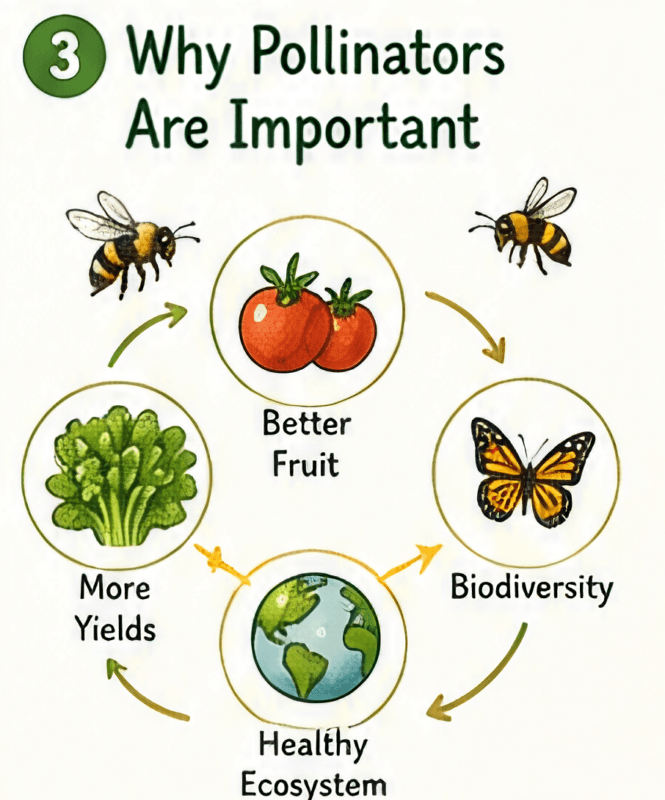
🐝 Why Pollinators Are Important

Pollinators are essential for both gardens and food production. Many crops depend on pollinators to produce fruits and seeds.

Benefits of pollinators include:

  • Improved vegetable yields
  • Better fruit production
  • Increased biodiversity
  • Healthier garden ecosystems

Without pollinators, gardens become less productive and less balanced naturally.

Encouraging pollinators also reduces the need for artificial pollination and supports the environment in a meaningful way.

🌸 Best Flowers for Pollinators

Choosing the right flowers is the most important step in creating a successful pollinator garden. The best flowers provide abundant nectar, bright colors, and long blooming periods.

🌼 Zinnia

Zinnias are one of the best flowers for attracting butterflies and bees. Their bright colors and large blooms make them highly visible to pollinators.

Why Pollinators Love Them:

  • Long blooming season
  • Rich nectar source
  • Easy landing surface for butterflies

Why Gardeners Love Them:

  • Fast-growing
  • Beginner-friendly
  • Available in many colors

Zinnias are perfect for both garden beds and containers.
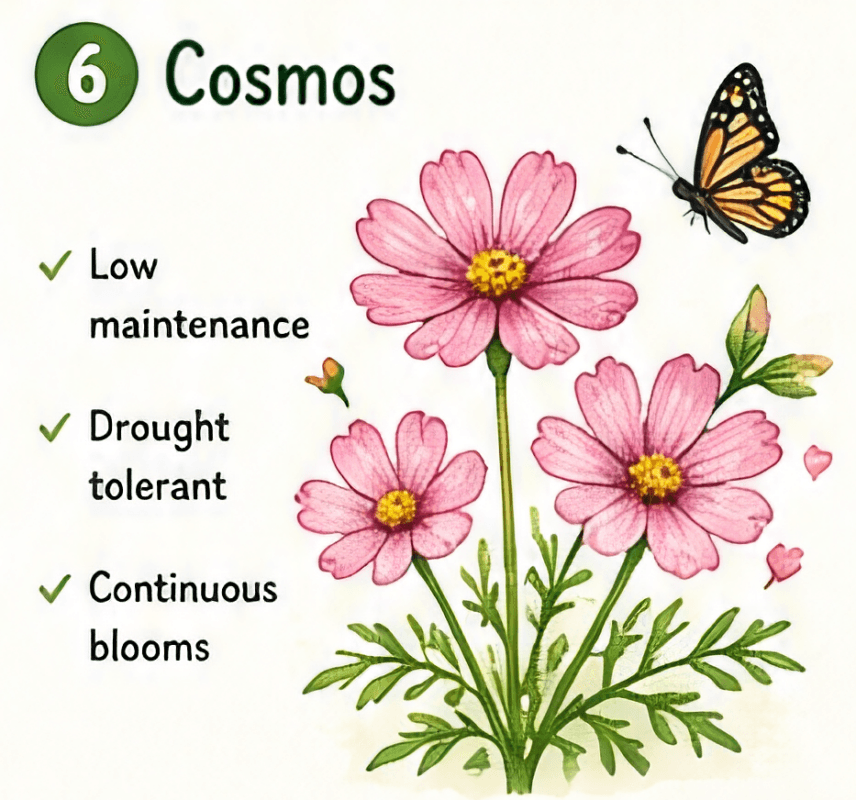
🌸 Cosmos

Cosmos flowers are lightweight, airy, and highly attractive to bees and butterflies.

Benefits:

  • Low maintenance
  • Drought tolerant
  • Continuous blooms

Cosmos are excellent for natural-style gardens and small spaces.

🌿 Lavender

Lavender is famous for attracting bees due to its fragrant flowers and nectar-rich blooms.

Advantages:

  • Beautiful fragrance
  • Pollinator magnet
  • Drought resistant once established

Lavender also adds texture and elegance to any garden.

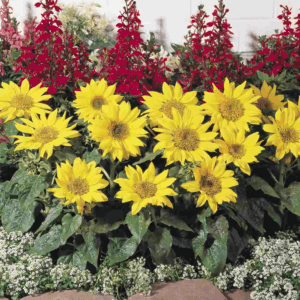
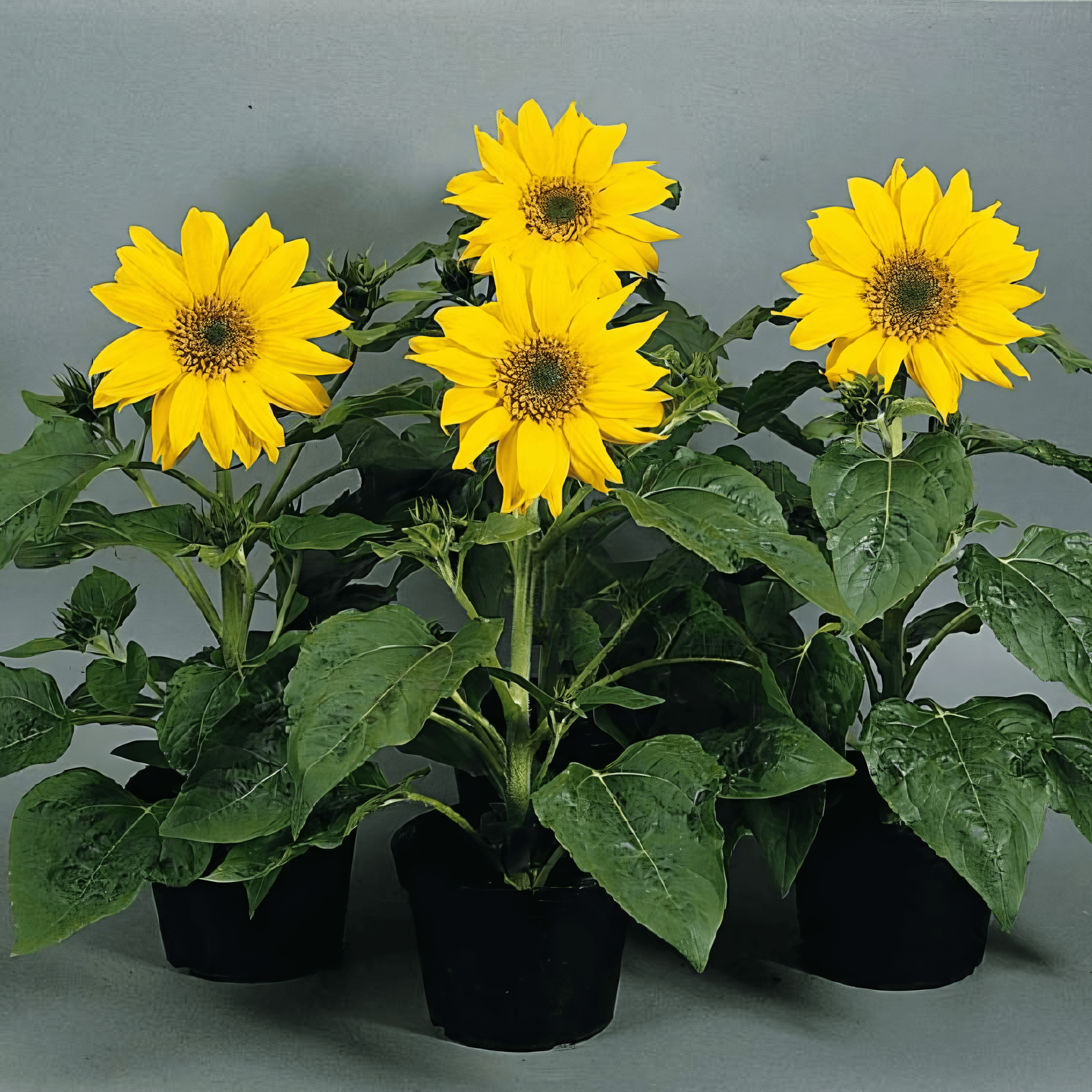
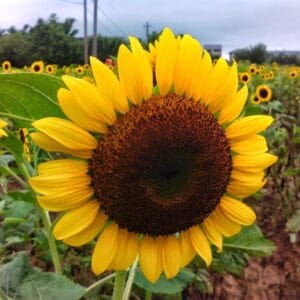
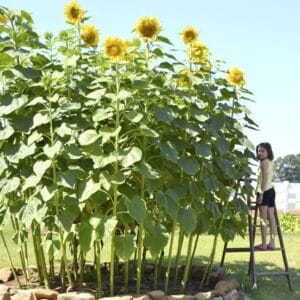
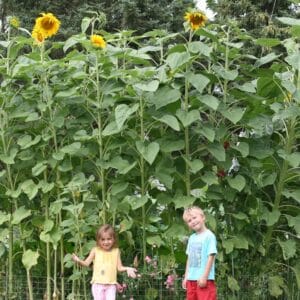
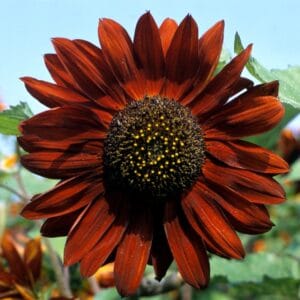
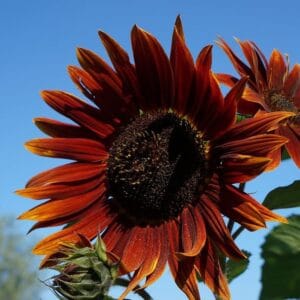
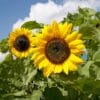
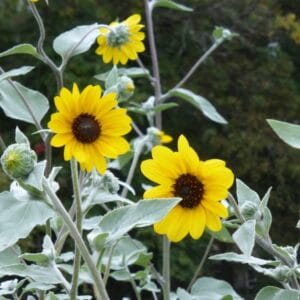
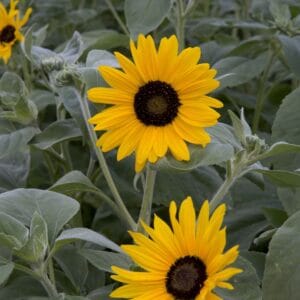
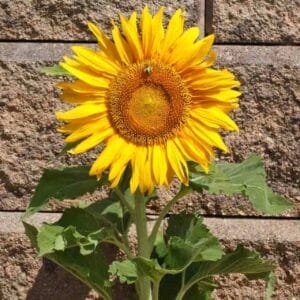
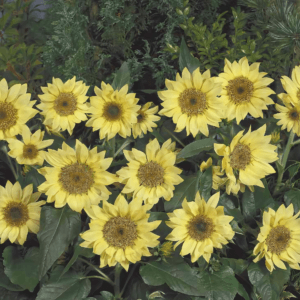
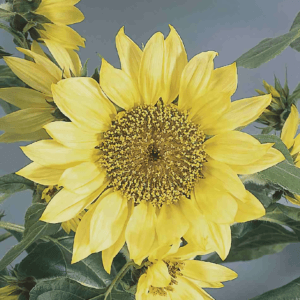
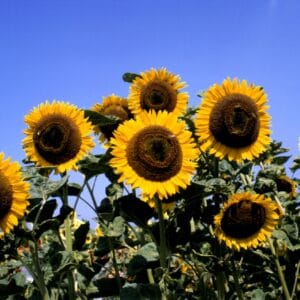
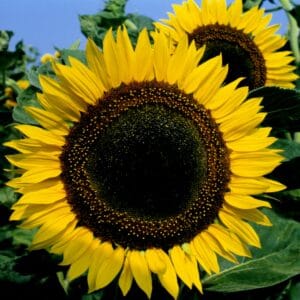
🌻 Sunflower

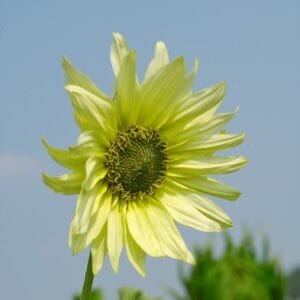
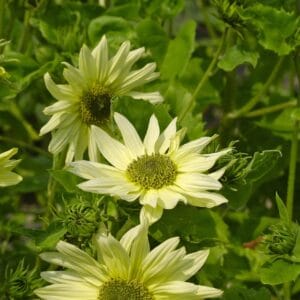
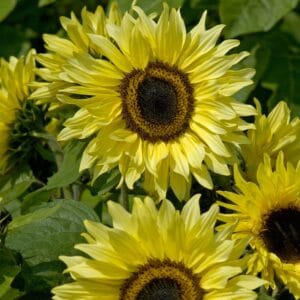
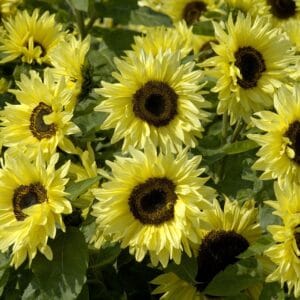
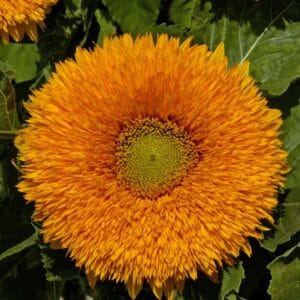
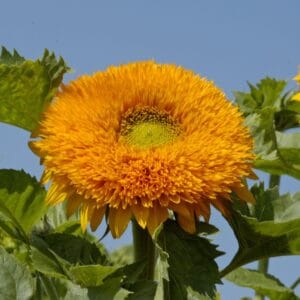
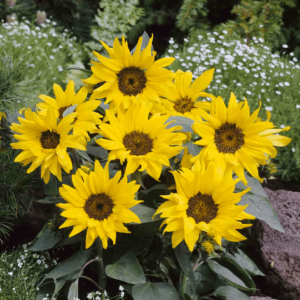
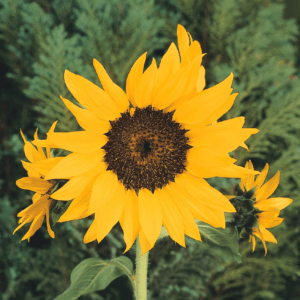
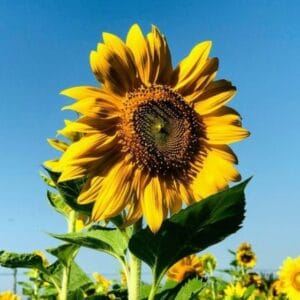
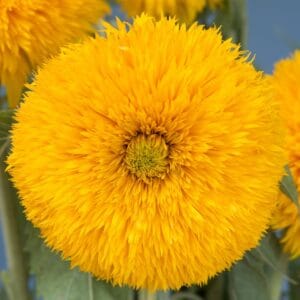
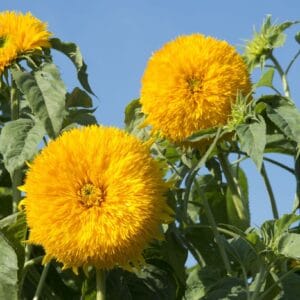
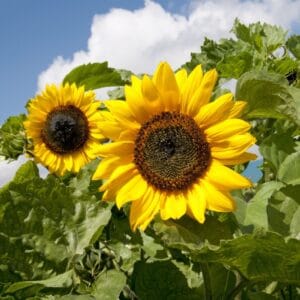
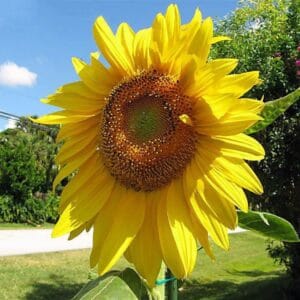
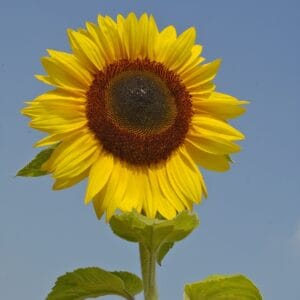
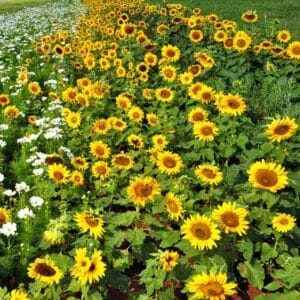
Sunflowers provide both nectar and seeds, making them beneficial for pollinators and birds alike.

Why They Work:

  • Large, easy-to-find flowers
  • High pollen production
  • Adds vertical interest to gardens

Sunflowers are especially popular in wildlife-friendly gardens.

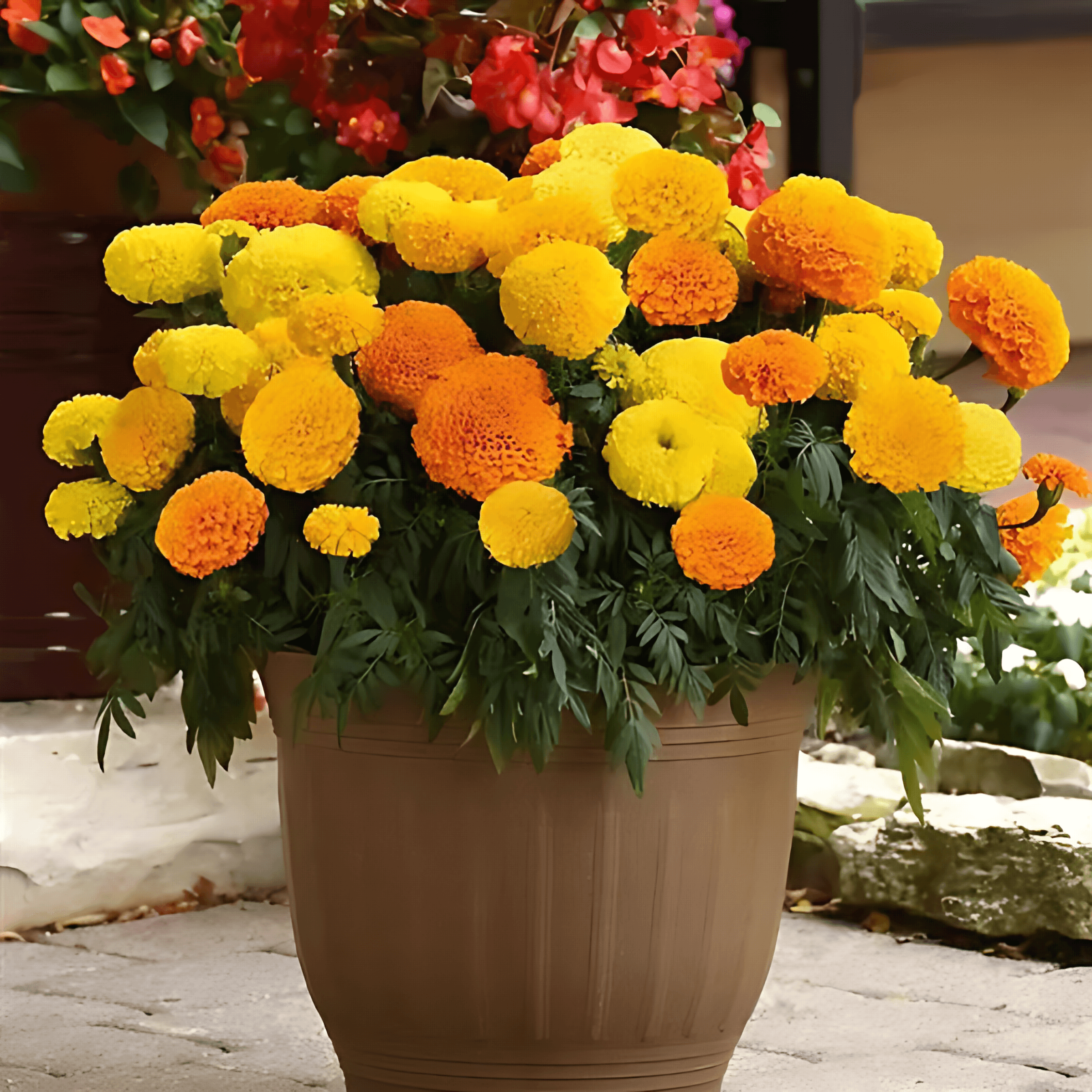
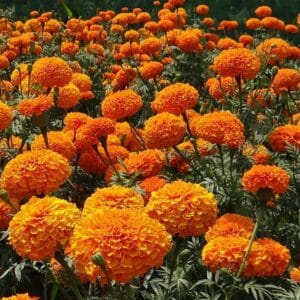
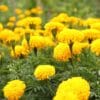
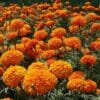
🌼 Marigold

Marigolds attract pollinators while also helping repel harmful pests naturally.

Benefits:

  • Easy to grow
  • Bright blooms
  • Great companion plant

They are ideal for beginner gardeners looking for multi-purpose flowers.

🌸 Alyssum

Alyssum produces clusters of tiny flowers that attract beneficial insects continuously.

Great For:

  • Borders
  • Containers
  • Balcony gardens

Their sweet fragrance is an added bonus.

🪴 How to Create a Pollinator-Friendly Garden

Creating a pollinator garden is easier than most people think. The key is designing a space that offers food and shelter consistently.

Plant a Variety of Colors

Pollinators are attracted to bright colors such as:

  • Purple
  • Yellow
  • Pink
  • Blue

Mixing flower colors increases visibility and attracts more insects.

🌸 Choose Flowers with Different Bloom Times

Plant flowers that bloom at different times of the season. This ensures pollinators always have a food source available.

🚫 Avoid Pesticides

Chemical pesticides can harm bees and butterflies.

Instead:

  • Use natural pest control
  • Encourage beneficial insects
  • Focus on healthy soil and biodiversity

💧 Provide Water Sources

A shallow water dish with stones gives pollinators a safe place to drink.

🌿 Leave Some Natural Areas

Pollinators also need shelter. Allowing small natural spaces in your garden helps create habitat.

🏡 Small Space? You Can Still Help Pollinators

You do not need a large backyard to create a pollinator garden.

Even:

  • Balcony planters
  • Window boxes
  • Small containers

can attract bees and butterflies successfully.

A few pots filled with nectar-rich flowers can make a significant difference in urban environments.

🌱 Best Pollinator Flowers for Beginners

If you are new to gardening, start with easy, reliable flowers.

Recommended Beginner Choices:

  • Zinnia
  • Cosmos
  • Marigold
  • Alyssum
  • Sunflower

These flowers:

  • Germinate easily
  • Grow quickly
  • Require minimal maintenance

🌸 Benefits of Pollinator Gardening

Beyond helping nature, pollinator gardening offers many personal benefits as well.

🌿 More Beautiful Gardens

More butterflies and bees create a lively, dynamic environment.

🌱 Healthier Plants

Better pollination often improves growth and productivity.

🐝 Supports Biodiversity

You help maintain healthy local ecosystems.

🌸 Low-Maintenance Gardening

Pollinator-friendly gardens often become more balanced naturally over time.

🌿 Final Thoughts: Grow a Garden That Gives Back

A pollinator garden is more than just a beautiful space—it’s a way to support nature while enjoying gardening at home.

By planting pollinator-friendly flowers, avoiding harmful chemicals, and creating a welcoming habitat, you can attract bees and butterflies naturally, even in small spaces.

The best part is that many pollinator flowers are incredibly beginner-friendly and easy to grow from seed.

Start small, choose a few easy flowers, and watch your garden come alive with color, movement, and life.

Why Pollinator-Friendly Gardens Matter

Pollinator gardens have become one of the biggest gardening trends in recent years—and for good reason. More gardeners are looking for ways to create beautiful outdoor spaces while also supporting bees, butterflies, and other beneficial pollinators.

Pollinators play a critical role in the ecosystem. Bees, butterflies, hummingbirds, and other insects help plants reproduce by transferring pollen between flowers. Without them, many fruits, vegetables, herbs, and flowers would struggle to grow.

Creating a pollinator-friendly garden is not complicated. In fact, even a small balcony or container garden can help attract beneficial insects naturally. By choosing the right flowers and avoiding harmful chemicals, you can create a vibrant garden that supports biodiversity while adding color and life to your outdoor space.

In this guide, you’ll learn the best flowers for pollinators, how to design a pollinator garden, and how beginners can start easily at home.

🌿 What Is a Pollinator Garden?

A pollinator garden is designed specifically to attract and support pollinating insects and animals. These gardens provide:

  • Nectar for adult pollinators
  • Pollen for bees
  • Shelter and habitat
  • Continuous blooms throughout the season

Unlike traditional ornamental gardens, pollinator gardens focus on creating a healthy ecosystem rather than simply visual appearance.

The good news is that many pollinator-friendly flowers are also some of the easiest plants to grow from seed.

🐝 Why Pollinators Are Important

Pollinators are essential for both gardens and food production. Many crops depend on pollinators to produce fruits and seeds.

Benefits of pollinators include:

  • Improved vegetable yields
  • Better fruit production
  • Increased biodiversity
  • Healthier garden ecosystems

Without pollinators, gardens become less productive and less balanced naturally.

Encouraging pollinators also reduces the need for artificial pollination and supports the environment in a meaningful way.

🌸 Best Flowers for Pollinators

Choosing the right flowers is the most important step in creating a successful pollinator garden. The best flowers provide abundant nectar, bright colors, and long blooming periods.

🌼 Zinnia

Zinnias are one of the best flowers for attracting butterflies and bees. Their bright colors and large blooms make them highly visible to pollinators.

Why Pollinators Love Them:

  • Long blooming season
  • Rich nectar source
  • Easy landing surface for butterflies

Why Gardeners Love Them:

  • Fast-growing
  • Beginner-friendly
  • Available in many colors

Zinnias are perfect for both garden beds and containers.

🌸 Cosmos

Cosmos flowers are lightweight, airy, and highly attractive to bees and butterflies.

Benefits:

  • Low maintenance
  • Drought tolerant
  • Continuous blooms

Cosmos are excellent for natural-style gardens and small spaces.

🌿 Lavender

Lavender is famous for attracting bees due to its fragrant flowers and nectar-rich blooms.

Advantages:

  • Beautiful fragrance
  • Pollinator magnet
  • Drought resistant once established

Lavender also adds texture and elegance to any garden.

🌻 Sunflower

Sunflowers provide both nectar and seeds, making them beneficial for pollinators and birds alike.

Why They Work:

  • Large, easy-to-find flowers
  • High pollen production
  • Adds vertical interest to gardens

Sunflowers are especially popular in wildlife-friendly gardens.

🌼 Marigold

Marigolds attract pollinators while also helping repel harmful pests naturally.

Benefits:

  • Easy to grow
  • Bright blooms
  • Great companion plant

They are ideal for beginner gardeners looking for multi-purpose flowers.

🌸 Alyssum

Alyssum produces clusters of tiny flowers that attract beneficial insects continuously.

Great For:

  • Borders
  • Containers
  • Balcony gardens

Their sweet fragrance is an added bonus.

🪴 How to Create a Pollinator-Friendly Garden

Creating a pollinator garden is easier than most people think. The key is designing a space that offers food and shelter consistently.

Plant a Variety of Colors

Pollinators are attracted to bright colors such as:

  • Purple
  • Yellow
  • Pink
  • Blue

Mixing flower colors increases visibility and attracts more insects.

🌸 Choose Flowers with Different Bloom Times

Plant flowers that bloom at different times of the season. This ensures pollinators always have a food source available.

🚫 Avoid Pesticides

Chemical pesticides can harm bees and butterflies.

Instead:

  • Use natural pest control
  • Encourage beneficial insects
  • Focus on healthy soil and biodiversity

💧 Provide Water Sources

A shallow water dish with stones gives pollinators a safe place to drink.

🌿 Leave Some Natural Areas

Pollinators also need shelter. Allowing small natural spaces in your garden helps create habitat.

🏡 Small Space? You Can Still Help Pollinators

You do not need a large backyard to create a pollinator garden.

Even:

  • Balcony planters
  • Window boxes
  • Small containers

can attract bees and butterflies successfully.

A few pots filled with nectar-rich flowers can make a significant difference in urban environments.

🌱 Best Pollinator Flowers for Beginners

If you are new to gardening, start with easy, reliable flowers.

Recommended Beginner Choices:

  • Zinnia
  • Cosmos
  • Marigold
  • Alyssum
  • Sunflower

These flowers:

  • Germinate easily
  • Grow quickly
  • Require minimal maintenance

🌿 Final Thoughts: Grow a Garden That Gives Back

A pollinator garden is more than just a beautiful space—it’s a way to support nature while enjoying gardening at home.

By planting pollinator-friendly flowers, avoiding harmful chemicals, and creating a welcoming habitat, you can attract bees and butterflies naturally, even in small spaces.

The best part is that many pollinator flowers are incredibly beginner-friendly and easy to grow from seed.

Start small, choose a few easy flowers, and watch your garden come alive with color, movement, and life.

Best Vegetable Seeds For Beginners

+
This product has multiple variants. The options may be chosen on the product page
-62%
+
This product has multiple variants. The options may be chosen on the product page
Original price was: $12.99.Current price is: $4.99.
+
This product has multiple variants. The options may be chosen on the product page
+
This product has multiple variants. The options may be chosen on the product page
+
This product has multiple variants. The options may be chosen on the product page
+
This product has multiple variants. The options may be chosen on the product page
+
This product has multiple variants. The options may be chosen on the product page
-44%
+
This product has multiple variants. The options may be chosen on the product page
Original price was: $8.99.Current price is: $4.99.
-29%
+
This product has multiple variants. The options may be chosen on the product page
Original price was: $6.99.Current price is: $4.99.
+
This product has multiple variants. The options may be chosen on the product page
+
This product has multiple variants. The options may be chosen on the product page
+
This product has multiple variants. The options may be chosen on the product page
+
This product has multiple variants. The options may be chosen on the product page
+
This product has multiple variants. The options may be chosen on the product page
+
This product has multiple variants. The options may be chosen on the product page
-62%
+
This product has multiple variants. The options may be chosen on the product page
Original price was: $12.99.Current price is: $4.99.
-44%
+
This product has multiple variants. The options may be chosen on the product page
+
This product has multiple variants. The options may be chosen on the product page
+
This product has multiple variants. The options may be chosen on the product page
+
This product has multiple variants. The options may be chosen on the product page
-17%
+
This product has multiple variants. The options may be chosen on the product page
+
This product has multiple variants. The options may be chosen on the product page
+
This product has multiple variants. The options may be chosen on the product page
+
This product has multiple variants. The options may be chosen on the product page
+
This product has multiple variants. The options may be chosen on the product page
+
This product has multiple variants. The options may be chosen on the product page
+
This product has multiple variants. The options may be chosen on the product page
+
This product has multiple variants. The options may be chosen on the product page
-62%
+
This product has multiple variants. The options may be chosen on the product page
Original price was: $12.99.Current price is: $4.99.
+
This product has multiple variants. The options may be chosen on the product page
-62%
+
This product has multiple variants. The options may be chosen on the product page
Original price was: $12.99.Current price is: $4.99.
-62%
+
This product has multiple variants. The options may be chosen on the product page
Original price was: $12.99.Current price is: $4.99.
-21%
+
This product has multiple variants. The options may be chosen on the product page
+
This product has multiple variants. The options may be chosen on the product page

Leave a Reply

Your email address will not be published. Required fields are marked *